






Celebrating the Innovators Building a Sustainable Future
On one of the hottest days of 2025, Project W and Independence Point Advisors convened a group of innovators addressing the challenges facing our warming planet. We did not need the temperature to remind us of the existential threats due to climate change: extreme weather, rising sea levels, biodiversity loss, increasing drylands, and food and water insecurity.
The innovators—founders, investors, business executives, and professionals—who participated in the inaugural Women Entrepreneurs Boot Camp | Climate Tech presented by Project W and Independence Point Advisors are building and investing in solutions to address these threats. As Elaine Albrich, co-chair, Energy, Natural Resources & Environmental Practice at Davis Wright Tremaine notes:
“The challenges facing our environment are multifaceted, from reliance on fossil fuels to wasteful and inefficient supply chains, antiquated infrastructure, and outdated methods of monitoring and managing environment risks. While daunting, those challenges also present opportunities to reimagine how we produce, deliver, and consume our essential resources and goods, and that is what the innovators of WEB |Climate Tech are doing.”


In this report, we share how the founders in WEB | Climate Tech and the investors and experts who support them are:
- Transforming our food system to be more sustainable and less wasteful
- Accelerating the transition to electric vehicles
- Developing tools to manage and mitigate environmental and energy risk
- Creating sustainable and responsible supply chains
- Minimizing waste through circular economy solutions


Transition to Electric Mobility


Transportation accounts for one of the largest sources of emissions in the United States, making the transition to electric more urgent than ever. Founders in WEB | Climate Tech are addressing the entire electric vehicle lifecycle, from battery production and second-life applications to expanding and planning charging infrastructure.


COnovate is commercializing a patented carbon-based nanomaterial representing the world's only form of solid carbon monoxide. This material offers improved performance as a battery anode alternative to graphite, can be delivered through local supply chains from domestic bio-sourced materials, leverages existing manufacturing infrastructure, and works with incumbent battery materials and designs.
Carol Hirschmugl, founder and CEO, notes:
“I believe the path to sustainable energy lies in smarter, cleaner and renewable materials. Materials that can power lives without compromising futures. COnovate’s mission is grounded in the idea that battery innovation should be both practical and principled. Our timing is no accident. Battery demand is growing rapidly, across transportation, grid storage, electronics, and defense, while critical minerals and supply chain security have become urgent national priorities.”

Using proprietary hardware, software, and AI algorithms, ReJoule enables automakers to maximize battery value from production through second life, reducing both waste and carbon impact.
Zora Chung, CFO of Rejoule, says:
“Our focus is enabling a more circular and financially sound EV battery supply chain. Traditional battery testing creates an infrastructure bottleneck, and, with our rapid diagnostics, we are the only way to scale the battery circular economy.”

it's electric builds energy-resilient EV charging for dense urban environments. They have cracked the code on curbside charging at scale, enabling a 9-city footprint—and are now commercializing the world’s first bi-directional curbside charging network, turning every street-parked EV into a distributed grid asset.
it’s electric is solving the problem of how to keep EV drivers charged up in urban areas. As Tiya Gordon, co-founder and COO, observes:
“Our solution keeps EV drivers charged up if they don’t have access to a home garage or even chargers at an apartment complex parking lot. We are not constrained by needing to make an inter-utility connection. We can literally go anywhere there is a building and a curb.”

ElectroTempo provides software-as-a-service solutions for EV charging infrastructure planning, using AI and machine learning models that ingest satellite imagery, traffic data, and proprietary datasets to forecast charging demand at the physical address level. This predictive capability enables utilities, charging site hosts, and fleets to optimize infrastructure siting, sizing, and operations.
Ann Xu, co-founder and CEO, sees electricity load growth as a generational opportunity. Learn why.


Through his work in the electric utility industry, Sean Atkins, co-chair of Energy, Natural Resources & Environmental Practice at Davis Wright Tremaine, helps utilities respond to the transition to electrification. He observes that:
“With the transition to electric vehicles coupled with the growing power needs of the technology sector, utilities are adapting to the increased demand on the grid and to the need to invest in new infrastructure. Among other things, they are implementing load management strategies to mitigate the impact of EV charging on the grid and they are using AI and data analytics to inform planning decisions and de-risk infrastructure investments. Many of the companies in WEB | Climate are building solutions to implement those strategies.”
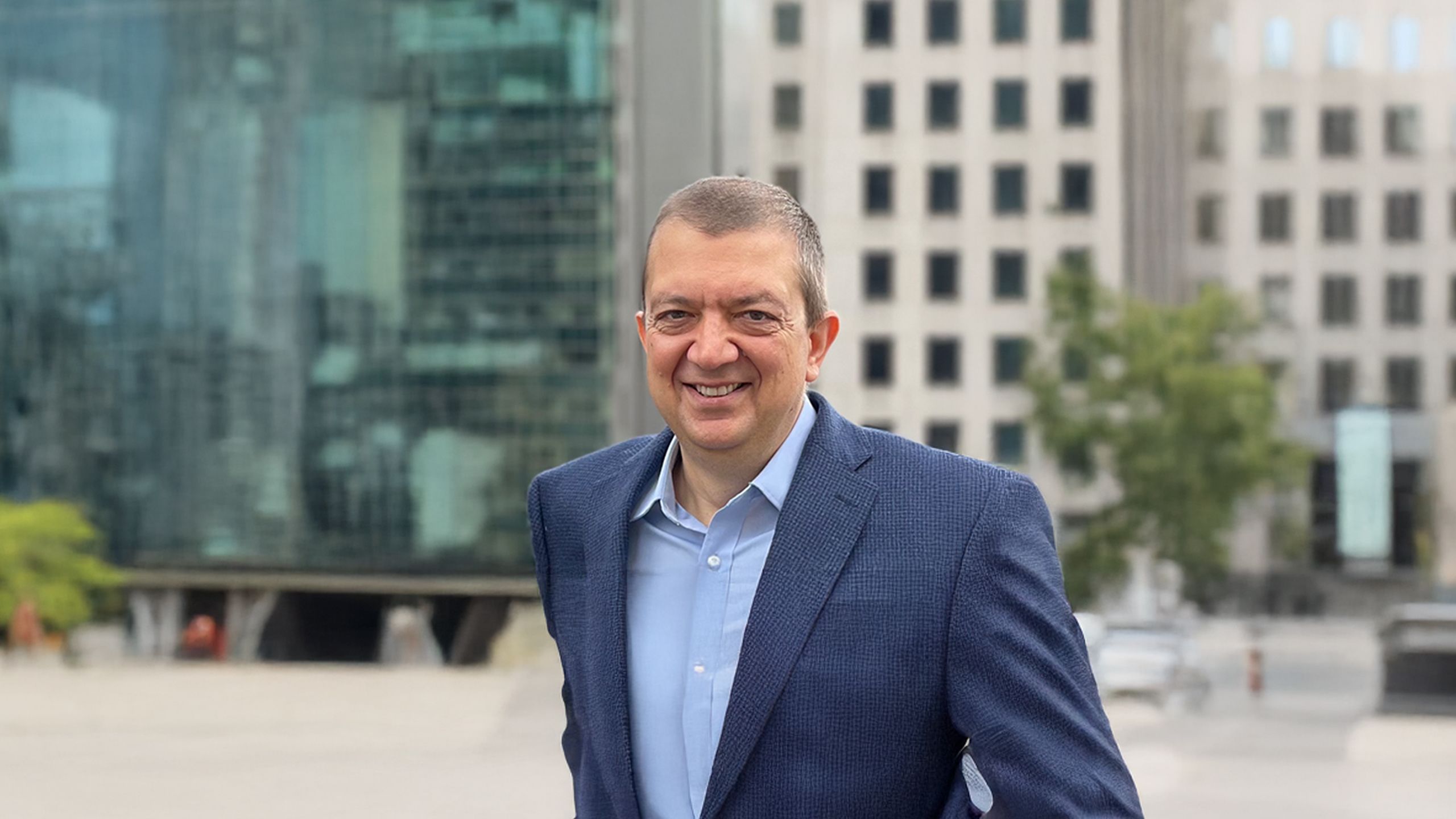
Energy resilience is top-of-mind for many investors, including Murat Aktihanoglu, Co-founder and Managing Partner of Remarkable Ventures Climate.
Precision Intelligence for Climate Solutions


Artificial intelligence and advanced data analytics are transforming how companies measure, predict, and optimize sustainability and energy efficient outcomes. Companies in WEB | Climate Tech are building solutions that reduce waste and create more efficient supply chains, facilitate investment in and financing of climate assets, and that manage climate and environmental risk.

Refiberd uses hyperspectral imaging and artificial intelligence to detect textile material composition within 1-2% of actual composition. This enables textile recyclers to sort waste with precision, resellers to detect counterfeit goods, and brands to test manufactured goods for compliance.
For Tushita Gupta, co-founder and CTO, the ability to identify material composition with a high degree of precision has the potential to unlock the circular economy. Learn how.

Strella applies biosensing technology to reduce food waste across the global produce supply chain. The company's novel sensors detect ethylene gases emitted by fruits and vegetables before they spoil, using proprietary technology to predict maturity and expected shelf life.
On a mission to eliminate food waste, Katherine Sizov, CEO and co-founder, developed a solution for a cleaner environment that is also good for a company’s bottom line. Katherine explains how Strella is doing that.

The fashion industry is one of the largest polluters in the world in terms of carbon emissions, water consumption, and waste. Kerry Rupp, General Partner of True Wealth Ventures is excited about companies that are using technology to address these issues in the fashion industry where the pain is big and the possibility for impact is huge.

Ven automates risk underwriting for new climate assets, serving insurance companies and lenders. Addressing a critical financing barrier for climate infrastructure deployment, the company's architecture creates and validates synthetic data, runs simulations combining internal and external datasets, and automates underwriting workflows.
According to Daphne de Jong, founder and CEO, private markets are eclipsing government agencies as the source of financing for climate infrastructure.
“I love to see this trend of allocating private capital to assets that help solve problems around energy transition and climate challenges. Our solution at Ven enables private capital to assess and underwrite the risks associated with financing those assets.”

AreaHub enables businesses with significant real estate exposure to manage climate and environmental risk. The company’s platform aggregates predictive climate data and environmental information specific to any U.S. location, enabling more informed real estate investment and management decisions.
In 2024, extreme weather events and natural disasters in the U.S. caused $182 billion in damages. Alison Gregory, CEO and co-founder, explains how AreaHub aims to help businesses manage that risk.

According to investor Aimee Xu , Vice President of I Squared Capital, AI, intelligent autonomous systems, and precision analytics are enabling infrastructure investors and operators to optimize and manage infrastructure assets.

However, as a former regulator, Shannon O'Neil, counsel in Davis Wright Tremaine’s Energy, Natural Resources & Environmental Practice, cautions that:
“While regulators are encouraging utilities to use AI and sophisticated data analysis to model system reliability, load growth, and grid flexibility, they are also focused on ensuring that those tools are used responsibly with human oversight to check AI output, correct AI behavior errors, and manage cyber risk. To address these concerns, companies selling their AI solutions to utility customers will need to work closely with the buyers to ensure that the products are properly integrated with existing systems and protocols.”
Supply Chain Transparency and Ethical Production
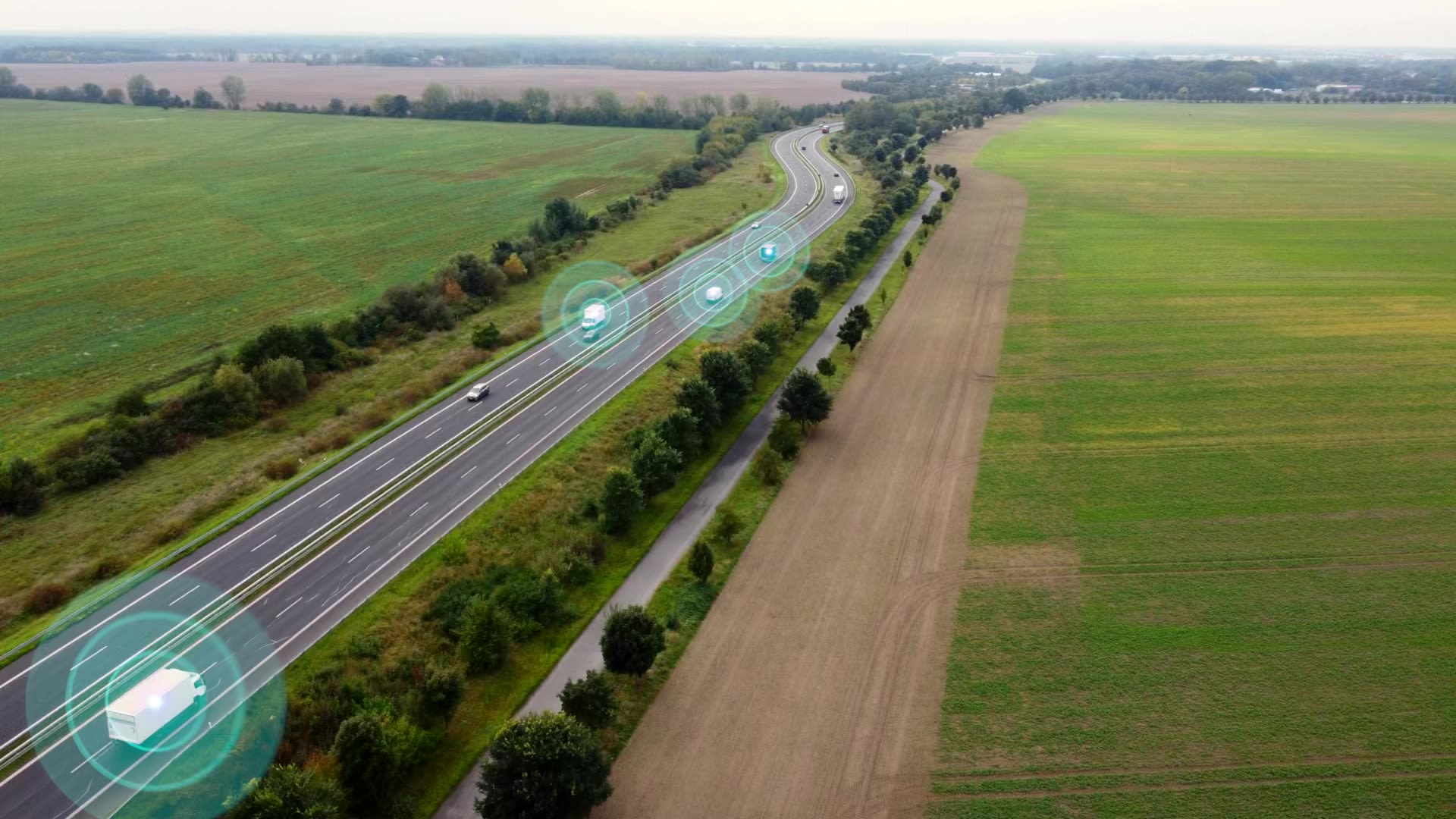

Growing regulatory pressure, especially from Europe, and consumer demand for sustainability are driving innovation in supply chain visibility and verification. Two of the companies in WEB | Climate Tech have built platforms that bring greater transparency to supply chains and that enable ESG compliance and impact measurement.

Peer Ledger’s patented process enables businesses, customers, and regulators to collect supply chain and product label data, track components and products in real time, operationalize supplier compliance policies, and provide fast validity checks of documents and records. Currently operating in the precious metals and cosmetics sectors, the platform can be scaled for use across other industries.
Dawn Jutla, CEO and founder, explains that when companies can identify substances of concern in their supply chains, they can build products that are safer for human health and the environment.

Using proprietary vetting and monitoring algorithms, TO THE MARKET’s platform enables companies and brands to source and produce products ethically and through sustainable supply chains and to generate reports that measure the environmental impact of these practices—such as drinking water saved, lands saved from pesticides, driving emissions avoided, and energy saved.
As founder and CEO Jane Mosbacher Morris notes, sustainability is only part of the equation.
“Brands are quick to respond to rising consumer demand for environmental impact, yet ethical work practices remain overshadowed in the pursuit of sustainability. Sourcing from factories that emphasize better social standards, such as employee health, salary, and wellbeing should be viewed as a priority.”

Peer Ledger and TO THE MARKET are building tools that companies can use to ensure that their products are produced in an ethical and sustainable manner. Stacey Sprenkel, head of Davis Wright Tremaine’s Sustainability & Responsible Business Practice, notes that:
“Companies of all sizes should be prioritizing ethical and sustainable practices and processes as part of their governance structures. Their regulators, shareholders, and employees are requiring them to do so. However, beyond the legal and regulatory imperatives, embedding ESG in operations is good business. It builds trust, gives companies a competitive edge, promotes sustainable growth, and creates brand value.”

Sara Brand, Founding General Partner of True Wealth Ventures looks at investment opportunities in the climate sector from a consumer perspective, noting that women make most of the household purchase decisions and that they care about how the goods they purchase are made, what ingredients are used, and how those goods are packaged.
Regenerative Agriculture and Climate Resistant Food Systems
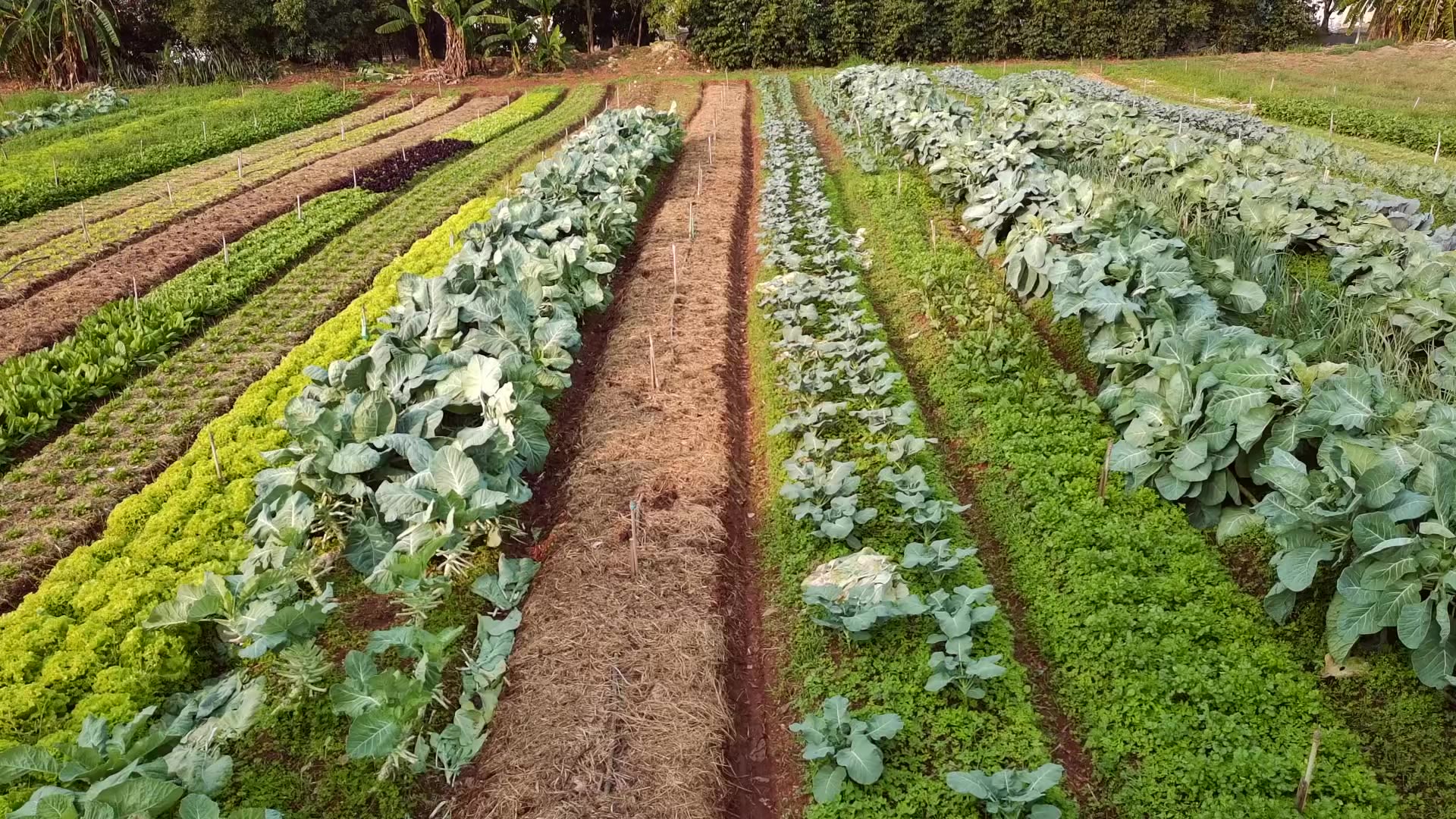

Agriculture represents both a major emissions source and a critical climate adaptation challenge. Innovative companies are developing integrated solutions that address water scarcity, energy access, and regenerative practices simultaneously. One of the most devastating consequences of climate change is food insecurity. Founders in WEB | Climate Tech are tackling these challenges with solutions that aim to transform our food system to be more productive and sustainable.

Farm from a Box equips small and mid-sized farms with the clean infrastructure and digital tools they need to grow more, lose less, and sell into commercial markets, all while supporting regenerative outdoor farming. The company’s NexGen system bundles clean power, efficient water management, in-field cold storage, and a real-time data layer that verifies production and connects farms to digital market access.
As demand for local food rises and supply chains come under pressure from climate volatility and market shifts, small and mid-sized farms are essential to resilient food systems. Brandi DeCarli, CEO and co-founder, notes:
“We started Farm from a Box as a humanitarian solution but quickly realized that food security and climate resilience require closing infrastructure gaps and opening real market opportunities for farms. By deploying tech-enabled, data-connected farm systems, we turn local production into reliable regional supply. We’re not replacing farmers; we’re giving them the infrastructure and data to stand strong and deliver the quality and consistency buyers need. That’s how resilience scales.”

Nexture is transforming the food system through animal-component-free technology used in cell cultivation. These innovations—microcarriers, scaffolds, and cell attachment factors—enable cost-effective production of cultivated whole cuts of meat, and they also have many other use cases including cell therapy, regenerative medicine, and microbial fermentation.
Teryn Marie Wolfe said: CEO, analogizes Nexture’s solution to a car.
“An electric car can't be treated like a gas-powered car. A rechargeable battery requires different handling than disposable batteries. As such, a microcarrier made with ingredients that are safe for use in food can't be treated like other microcarriers on the market.”
“The quest to adapt microcarriers to be used as food ingredients has also led to a more sustainable microcarrier product that can be used across industries and applications. Some of the protocols are different, but the outcome is the same. And we are working every day to make it better.“
The Future of Climate Innovation
With trillions in investment required to achieve net-zero emissions by 2050, the convergence of breakthrough technologies, sophisticated capital, and urgent climate imperatives has created an unparalleled business opportunity. The companies and investors leading this transition, including the innovators of WEB | Climate Tech, are building the future one startup, one investment, and one innovation at a time—in our cities, our supply chains, and our daily lives.
The founders in WEB | Climate Tech are doing their part to preserve our planet for future generations, and Project W and Independence Point Advisors are here to support them on their journeys.

Hear from Olga Polunina, Managing Director at Independence Point Advisors, about how founders in WEB | Climate Tech can turn their vision into solutions for a healthier planet.
Join the movement. Get involved in WEB | Climate Tech and support the women building a sustainable future.
Be Part of the Change


The Innovators
Thanks to all the WEB | Climate Tech participants who are building a safer, healthier, and more sustainable future.
Murat Aktihanoglu, Remarkable Ventures Climate
Elaine Albrich, Davis Wright Tremaine
Sean Atkins, Davis Wright Tremaine
Roxanne Baine, Piva Capital
Sara Brand, True Wealth Ventures
Karla Brollier, Velveteen Ventures
Megan Cai, Hennessy Capital Growth Partners
Claire Champy, Atlas Innovate
Jenny Gao, Energy Impact Partners
Therisa George, Paine Schwartz Partners
Megan Guy, King River Capital
Iynna Halilou, The MBA Fund
Dana Kanze, Georgetown University
Daryl Kennedy, Stack Infrastructure
Allison Lee, Western Technology Investment
Shelly Malik, Davis Wright Tremaine
David Muldoon, Manus
Shannon O’Neil, Davis Wright Tremaine
Kavita Patel, MUUS Climate Partners
Ellen Pizzuto, J.P. Morgan
Chryssa Rask, Cerberus
Catherine Roggero-Lovisi, World Collective
Kerry Rupp, True Wealth Ventures
Ashley Ryder, Vamos Ventures
ShoYoung Shin, Entrepreneurs Roundtable Accelerator
Stacey Sprenkel, Davis Wright Tremaine
Jeff Uhrig, Beech Lab
Pratibha Vuppuluri, PA Green Wave Capital
Anne Clarke Wolff, Independence Point Advisors
Aimee Xu, I Squared Capital


Independence Point Advisors
Independence Point Advisors (IPA) is a women-owned advisory and investment banking firm headquartered in New York City. Founded by Anne Clarke Wolff following her 30+ year Wall Street career championing female leaders, the IPA team specializes in providing capital markets advisory, private capital raising, and M&A advisory to leading innovators and entrepreneurs.


Project W
Project W, an initiative of Davis Wright Tremaine, helps women achieve positions of influence—as CEOs, business and professional leaders, and investors—where they drive positive change and make a lasting impact. We do that through our programs for women entrepreneurs, our peer communities, and our support of women founders.


Davis Wright Tremaine’s Energy & Sustainability Practice
DWT advises companies, investors, and innovators on energy, natural resources, environmental, and sustainability matters. The practice supports project development, regulatory compliance, environmental review, and climate-related governance needs across the evolving clean energy and natural resource landscape.
 Built with Shorthand